



Palagi Podere Est. 1684
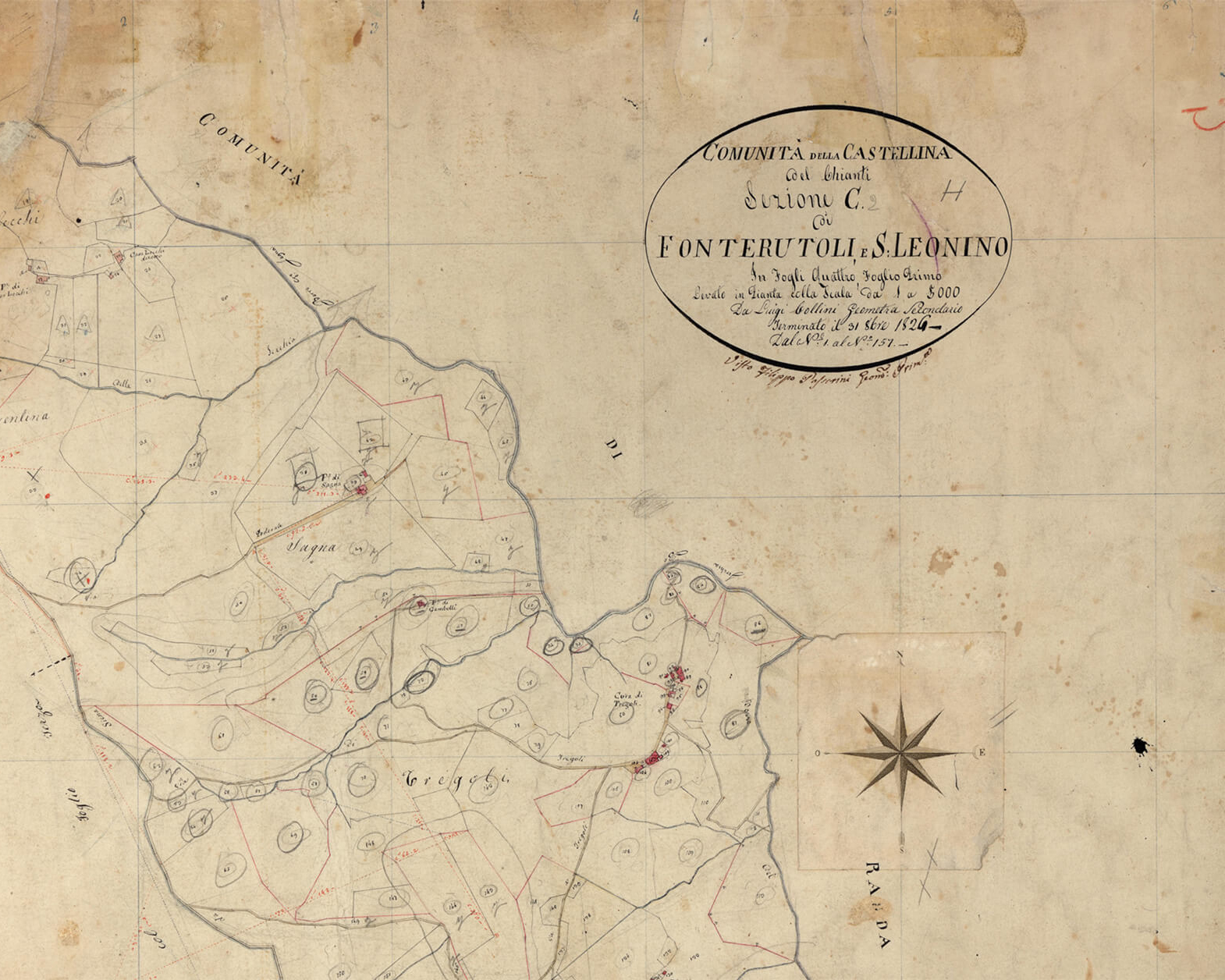
In 1684, the Palagi family established the ‘Podere Nuovo’ as an independent podere, a self-sustaining agricultural holding. Artigiani bottai, skilled barrel makers, once worked here reinforcing the estate’s role in the wine culture of Chianti. The Palagi emblem, preserved within the private chapel, stands as a quiet symbol of labor, faith, and connection to place.


Traditions that Endured
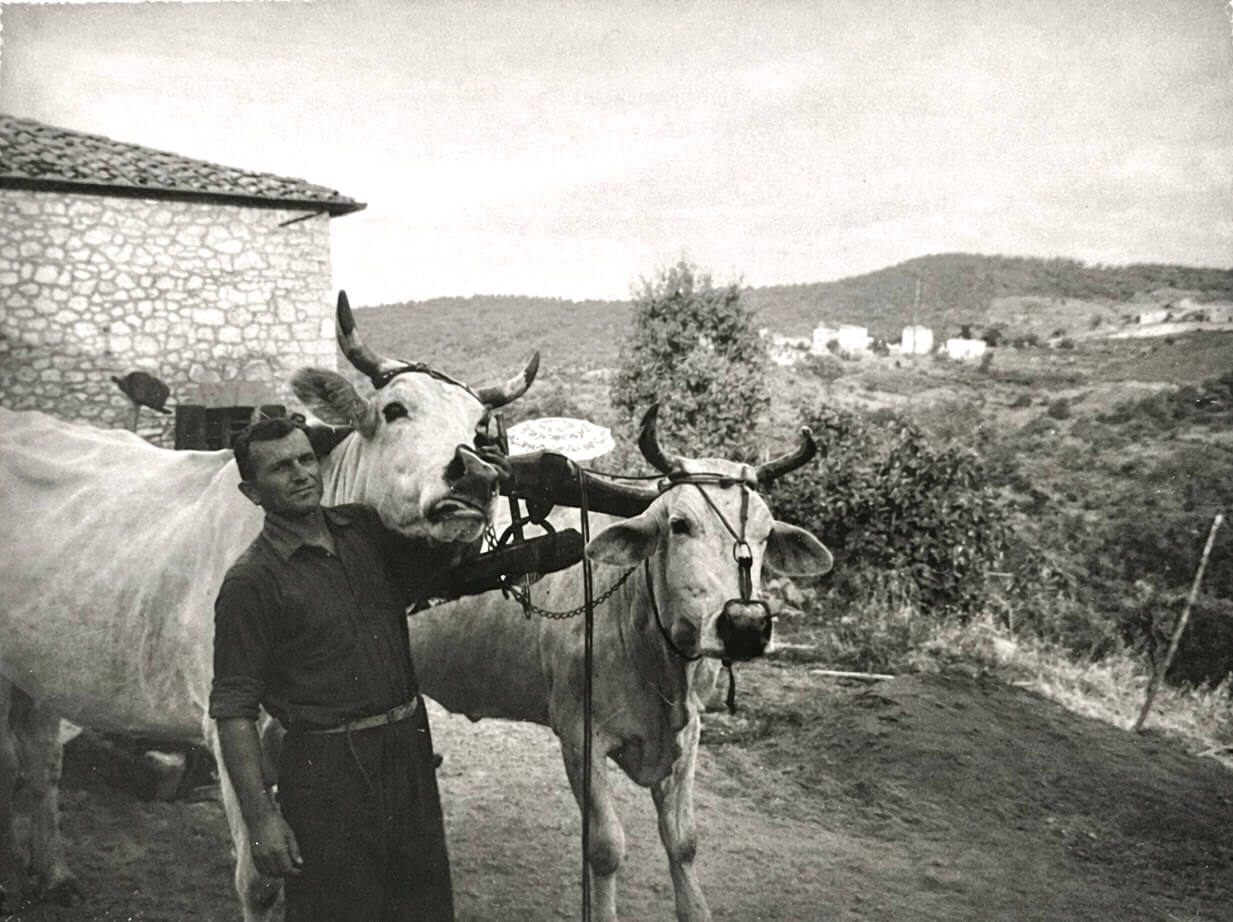
In 1862, stewardship passed to the Barbieri family, who continued cultivating wine and olive oil. Decades later, the Mecacci family, mezzadri under the mezzadria system, worked the land and maintained the tradition of training oxen, long central to agricultural life in Chianti.

Restoration with Reverence
When the current owners undertook restoration, the work was guided by reverence. Original materials and historic layouts were preserved, with traditional techniques used throughout. Stone, timber, terracotta, and iron were restored to carry the estate forward with integrity.


Restoration with Reverence
When the current owners undertook restoration, the work was guided by reverence. Original materials and historic layouts were preserved, with traditional techniques used throughout. Stone, timber, terracotta, and iron were restored to carry the estate forward with integrity.


